CERM always takes R&D and innovation as the top priority, and continues to increase investment in talents, funds and equipment, and thus has achieved significant results. As of 2018, the company has a strong technical team composed of more than 100 masters, doctors and professors, and has won more than 50 national, provincial and ministerial awards with 125 patent applications. Besides, the two key R&D institutions of “State Key Lab of Superalloy New Materials ”and “Beijing Superalloy Engineering Technology Research Center for Gas Turbine Application" have been set up to provide inexhaustible driving force for the company's technological improvement and product innovation.
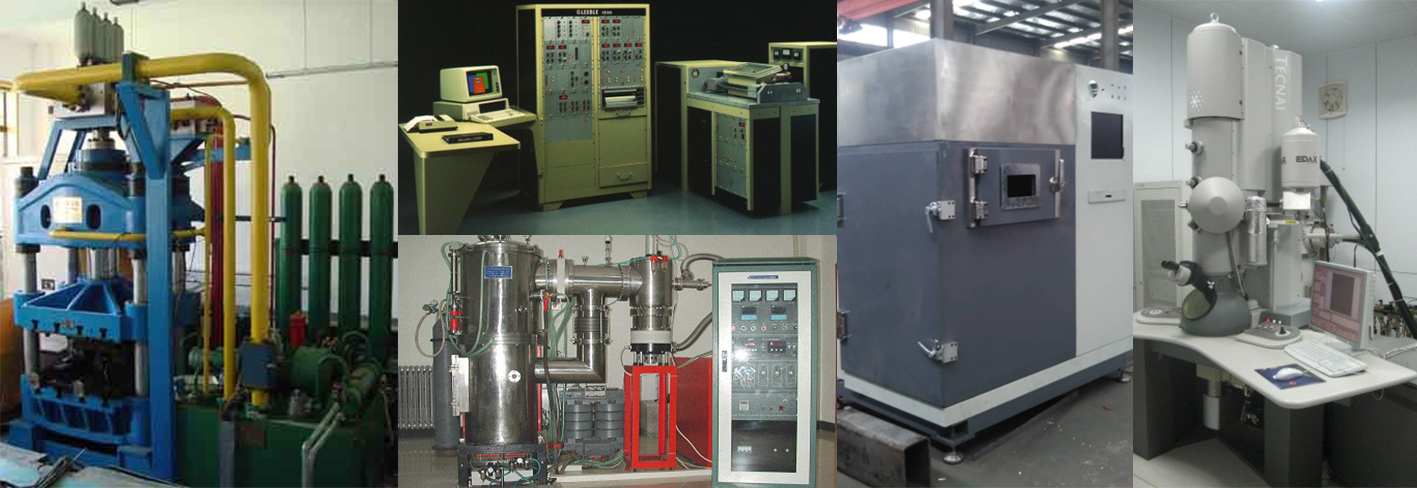
The heat treatment of superalloys is one of the key processes for customizing the structural state of superalloys, and it is also an important means to improve the high temperature strength and durability of superalloys and to change the formability. The structural control lab has 30 high-temperature heat treatment furnaces of various specifications and models, the hearth of which are made of high-quality polycrystalline mullite fiber vacuum products. The furnace body is designed with advanced air insulation technology, which not only uniforms the temperature field, but also saves 50% energy. The temperature control system adopts artificial intelligence adjustment technology, which can edit 50-segment program temperature control with PID adjustment, fuzzy control and self-tuning functions. The centralized control system is connected to the computer, which realizes remote control, real-time tracking, historical records, curve and report output of all heat treatment furnaces. The integration of several advanced technologies not only conforms to the principles of energy saving and consumption reduction, but also uniforms furnace temperature with highly controllable heating and cooling, and enables to track and record the entire heat treatment process. All these advantages are conducive to the realization of complex diffusion annealing, solution treatment, intermediate treatment, aging treatment, special heat treatment, oxidation weight gain and other tests of superalloys, while ensuring the accuracy of heat treatment process.
The structural characterization lab mainly includes metallographic sample preparation and metallographic observation. Metallographic sample preparation includes cutting, grinding, inlaying, burnishing, polishing, and etching processes of the sample to reveal the metallographic structure of the sample. In addition to conventional cutting machines, mosaickers, automatic grinding and polishing machines, and polishing machines, the lab is also equipmentped with precision cutting machines, cross-section polishing machines, ion sputtering machines, vacuum sprayers, and twin-jet electropolisher.
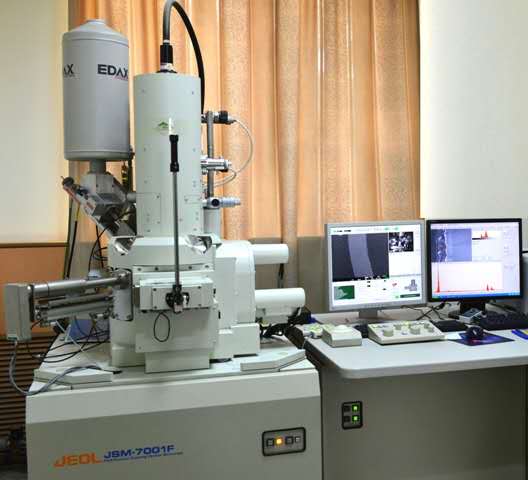
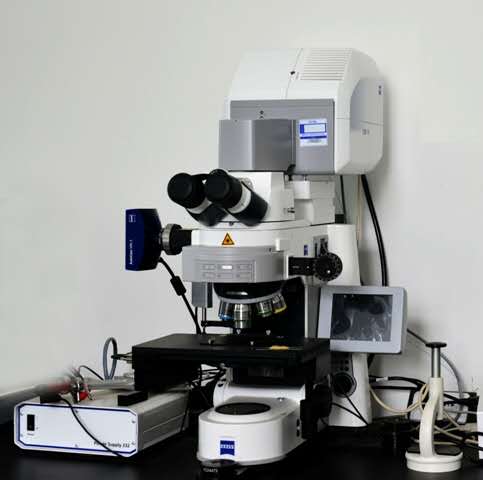
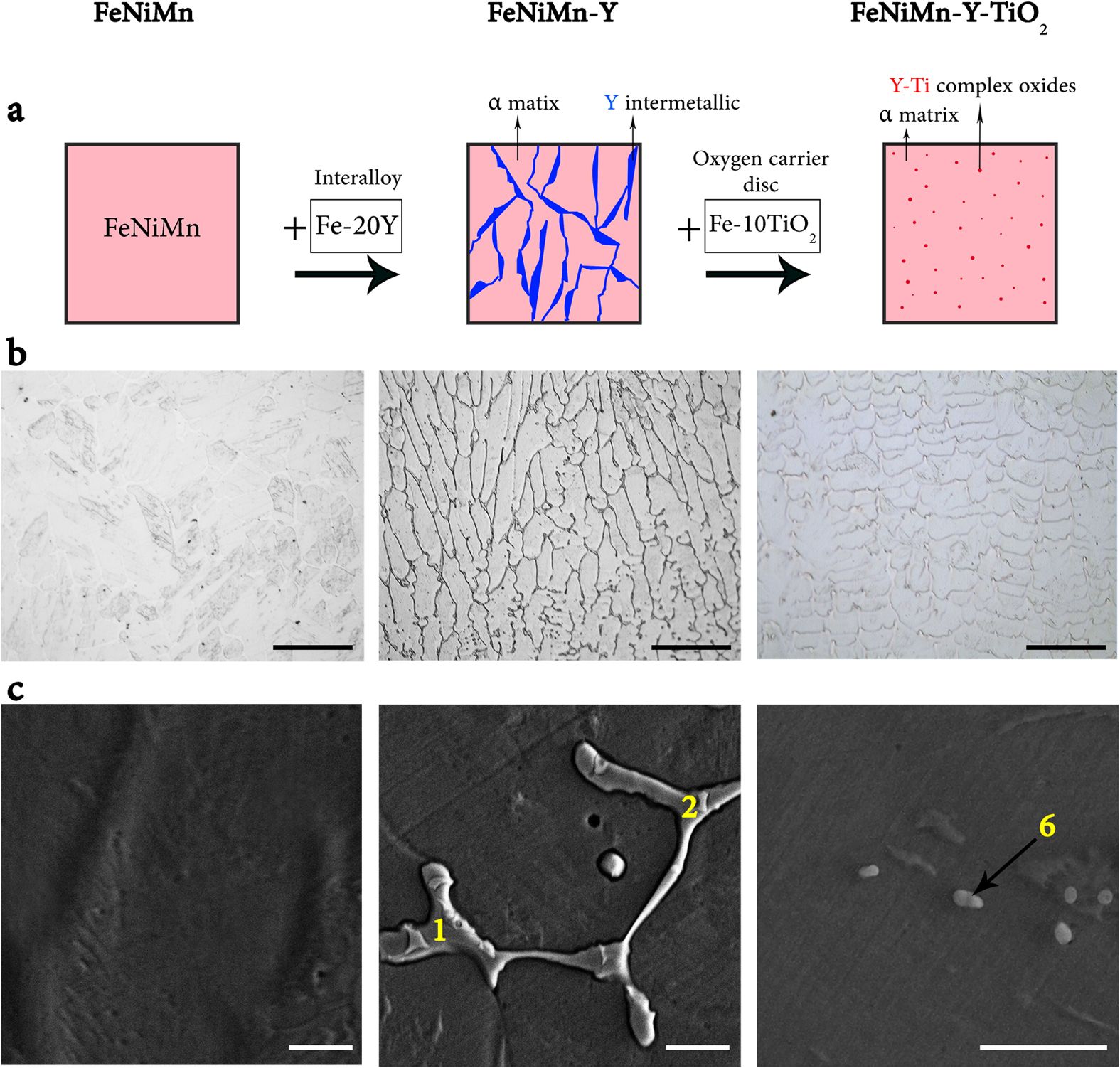
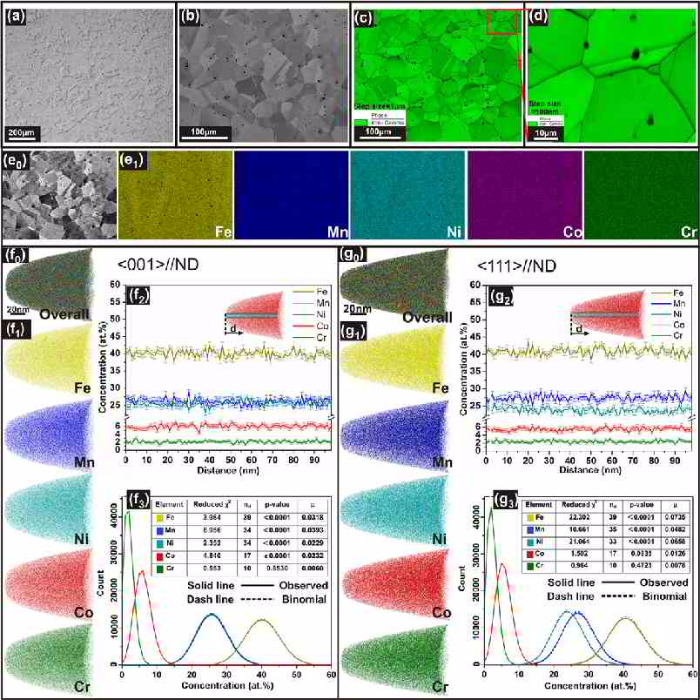
Metallographic observation is to observe and analyze the prepared metallographic samples with different observation equipment, including macrography, stereomicroscope, optical microscope, image analyzer, Rockwell hardness tester, Brinell hardness tester, microhardness tester, thermal dynamic 3D microscope, tungsten filament scanning electron microscope, field emission scanning electron microscope, and field emission electron probe, etc. The observation magnification ranges from 5 times to 1 million times. The maximum operating temperature of the heating stage of the thermal dynamic 3D microscope is 1700 ° C, which can be used to observe the variation of structure with temperature. Tungsten filament scanning electron microscope in the large sample room is more suitable for aging analysis of the fracture; Field emission scanning electron microscope for the observation of structure, composition contrast, and analysis of micro-area composition and orientation; field emission electron probes for quantitative and qualitative analysis of micro-area surface composition.